
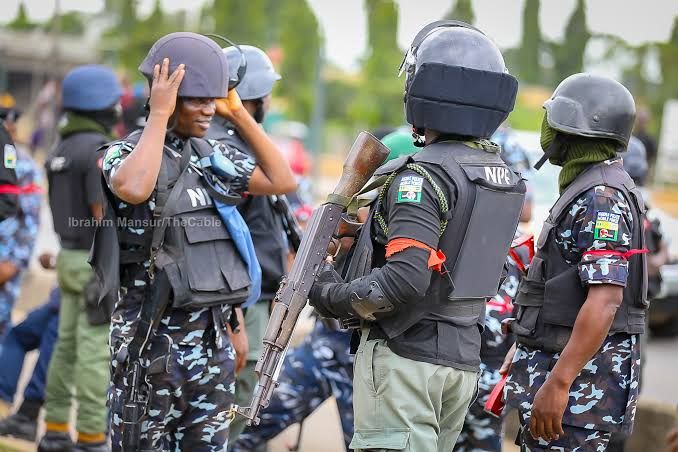
Ekiti, Kebbi endorse State Police bill
Ekiti and Kebbi Houses of Assembly have joined 13 others to endorse the proposed constitutional amendment for establishment of State Police.
Ekiti passed the bill and Kebbi lawmakers adopted a resolution in support of decentralised policing to tackle insecurity.
Thirteen other States, including Osun, Edo, Oyo, Rivers, Zamfara, Kwara, Nasarawa, Ogun, Delta, Taraba, Cross River, Plateau and Enugu had passed the bill.
At least two-third of Nigeria’s 36 States, precisely 24, must endorse the bill for it to pass.
Kebbi Assembly endorsed the proposed bill with 20 lawmakers backing the initiative aimed at strengthening security and protecting lives and property across the country.
At a plenary presided over by Speaker Salihu Dangoje, they deliberated on the proposal presented by the chairman of the House Committee on Internal Security, Muhammad Garba Bena.
Four members of the 24-member Assembly were reportedly absent from the session on official assignments.
Bena said the lawmakers supported the proposal because of the need to strengthen security operations and improve responses to threats in Kebbi State and other parts of Nigeria.
In Ekiti State, the Chairman, House Committee on Media and Public Affairs, Babatunde Oke, said in a statement made available in Ado Ekiti that “following the passage of the bill, the Speaker of the Assembly, Adeoye Aribasoye, had directed the Clerk of the House to transmit the document to the National Assembly, alongside the observations made by the state legislature.”
The bill, the Constitution of the Federal Republic of Nigeria, 1999 (Sixth Alteration) Bill, 2026, proposing a constitutional framework for decentralised policing, was passed by 21 members present.
Oke stated: “The Speaker described the proposed establishment of state police as a matter that had remained at the forefront of national discourse for more than two decades.”
Speaker Adeoye Aribasoye said that a properly structured state police system could strengthen accountability by bringing policing leadership and oversight closer to the people and their elected representatives, subject to constitutional safeguards.
Comments (0)
Comment policy →Be the first to comment.